THAWRA
The Dig's mini-series on Arab radicalism in the 20th century.
Episode 19
Epilogue Part 3: Genocide and Resistance
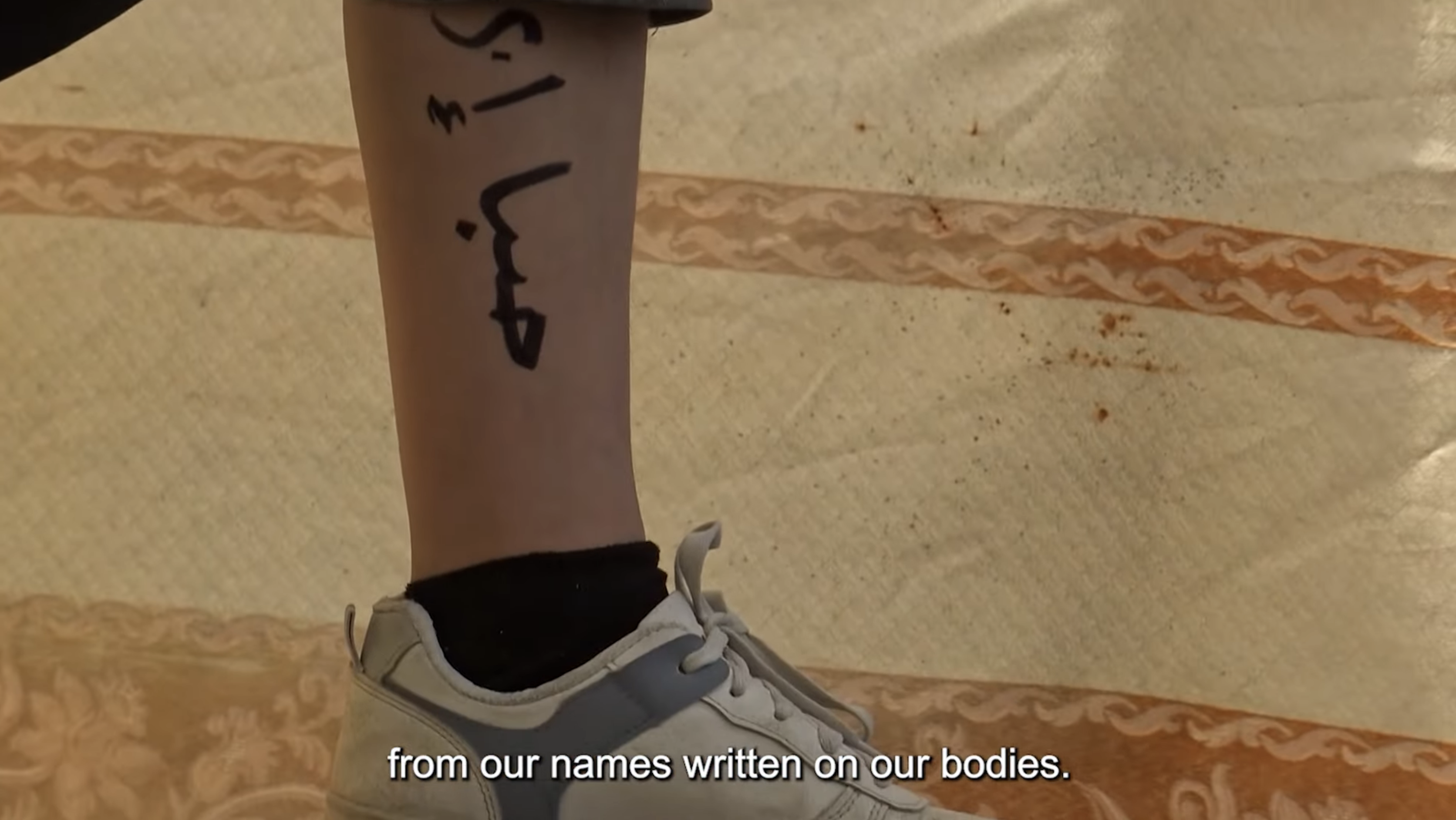
This episode takes us from Hamas’s victory in the 2006 legislative elections, through the siege on Gaza, to October 7, the Gaza genocide, the Axis of Resistance, and Israel’s attempt to draw Iran into a massive regional war with the US.
0:00
0:00
- Early in the episode, Abed sketches out a series of strategic wagers that different parts of the Palestinian National Movement put forward in the aftermath of the Second Intifada. What are they, and how, in your view, have these different wagers fared?
- The episode describes the risk of the “liquidation of the Palestinian cause” in the years running up to October 7th? What were the possibly fatal risks to Palestinian national self-determination seen before October 7th? If the military wing of Hamas in Gaza had thought that the Al-Aqsa Flood would reverse, or at least stall, such a closure of liberation, how would you assess their analysis today?
- Abed draws a series of comparisons between Israel and the settler colonial occupation of Algeria, and the late-colonial presence in Haiti prior to its 18th century revolution. He argues that it’s in the twilight of these regimes that their desperation becomes most fatally violent. Why do you think that is? In your estimation, is the escalation of Israeli belligerence, violence, and outright ethnic cleansing a product of its weakness, strength, or something else entirely?
- One notable feature that distinguishes the conjuncture in the Mashriq today relative to the history we covered in most of this series is the profound realignment of Arab capitals toward normalization. How does this episode explain such a recalibration at the regional level? What are its main drivers? What role does the military of these respective countries, and particularly US foreign aid for these militaries, play in such an alignment? What does this suggest about the prospect for revolutionary change in the region, or the shape of revolts to come?
- This episode was recorded before the July War in summer of 2025, and long before Israel and the U.S. became stuck in a brutal and destructive war with Iran starting in February 2026. Nevertheless, Abed makes a series of predictions about what a war would look like with Iran. How do these predictions look from the vantage point of the war now?
- Abed, reflecting on the state of things, cautions against an overly melancholic mode or attachment to earlier left, labor and secular nationalist forces in the region.What sort of alternative posture to melancholy and nostalgia does he recommend instead? Is such a posture also appropriate for our movements in North America and Europe today? And finally, what are the prospects for the emergence of an egalitarian and emancipatory left in the region, in Abed’s view?
- Near the end of the episode, Abed reflects on one challenge to revolutionaries and leftists in the region: getting people into the streets is increasingly easy, but translating such mobilization into more durable and lasting organization has proven much harder. In your view, does that rhyme with our situation in this country?
The Foreign Policy of Hamas
Leila Seurat
2022
Book (Recommended)
Iran and the Axis of Resistance
Eskandar Sadeghi-Boroujerdi
2025
Article (Recommended)
Culmination
Eskandar Sadeghi-Boroujerdi
2025
Magazine Article
"Who Will Hang the Bell?" in the Journal of Palestine Studies
Abdel Razzaq Takriti
2021
Journal Article (Recommended)
"A Threshold Crossed: On Genocidal Intent and the Duty to Prevent Genocide in Palestine" in the Journal of Genocide Research
Nimer Sultany
2024
Journal Article (Recommended)
Voices of the Genocide
Palestinian Centre for Human Rights
2025
Report